
Master Kitchen Skills for Nutritious Daily Meals
Learn practical cooking techniques and food preparation strategies that transform everyday ingredients into delicious, balanced meals. Discover how fundamental kitchen mastery supports better nutrition for you and your family.
The information on this site is for educational purposes only and does not constitute medical advice. Always consult a qualified healthcare professional before making health decisions.
Why Kitchen Skills Matter for Your Health
Developing strong kitchen skills is fundamental to maintaining a nutritious diet and promoting overall wellness. When you master basic cooking techniques—from knife skills to proper ingredient selection—you gain the confidence and ability to prepare meals that truly nourish your body. Home cooking allows you to control ingredient quality, portion sizes, and cooking methods in ways that restaurant or packaged food cannot match.
Understanding how to properly prepare vegetables, grains, proteins, and healthy fats ensures you retain maximum nutritional value during cooking. Many nutrients are temperature-sensitive and cooking method-specific; boiling destroys more nutrients than steaming, for example. By learning these distinctions, you protect the vitamin and mineral content of your meals.
Regular home cooking also builds food awareness. You learn to recognize quality ingredients, understand flavor profiles, and appreciate the natural taste of whole foods. This knowledge extends beyond the kitchen into grocery shopping, meal planning, and everyday food choices—creating a complete shift toward more health-conscious eating patterns.
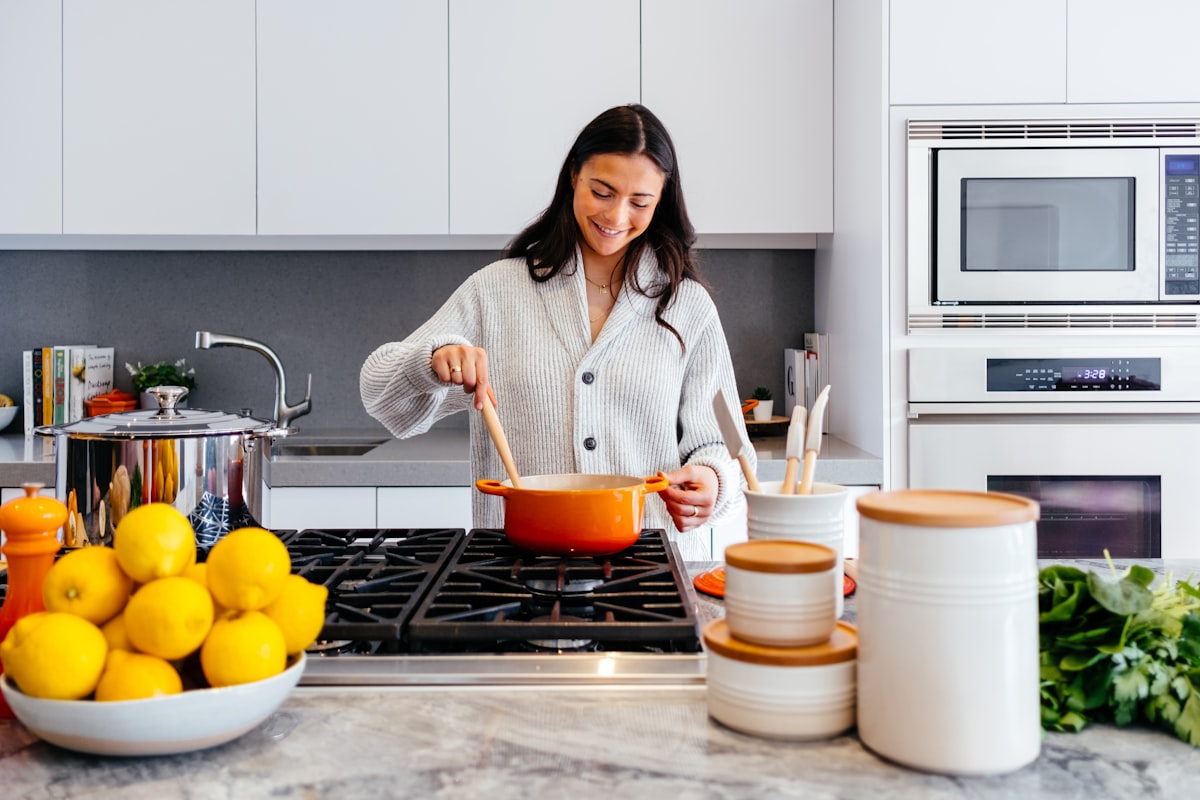
5-Step Approach to Nutritious Meal Preparation
Plan Your Meals
Start each week by thinking about what you want to eat. Plan meals around seasonal vegetables, quality proteins, and whole grains. This prevents impulsive food choices and ensures nutritional variety throughout the week.
Shop Smart
Buy whole, unprocessed ingredients and learn to read labels. Choose fresh produce at peak ripeness, select lean proteins, and understand which processed foods—if any—fit your nutritional goals. Quality ingredients make a dramatic difference.
Master Prep Work
Develop knife skills and learn efficient prep techniques. Properly washing, peeling, and cutting ingredients not only saves time but also preserves nutrients and creates better texture in finished dishes.
Choose Methods
Understand different cooking techniques—steaming, roasting, sautéing, boiling—and when each preserves maximum nutrition. Temperature control, cooking time, and liquid use all impact the final nutritional profile of your meal.
Build Balance
Learn to compose balanced plates that include vegetables, protein, healthy fats, and whole grains in appropriate proportions. This foundational skill ensures consistent nutrition across all your meals.
Essential Skills Every Cook Should Know
Knife Skills and Cutting
Proper knife techniques improve safety, efficiency, and food preparation quality. Learning correct grip, stance, and cutting motions prevents injuries while creating uniformly-sized pieces that cook evenly. Sharp knives and proper technique make vegetable preparation faster and more enjoyable.
Heat Management
Understanding how to control heat—knowing when to use high, medium, or low temperatures—is essential to cooking success. Different ingredients require different heat levels, and proper temperature management prevents burning, ensures even cooking, and preserves nutritional value throughout the cooking process.
Seasoning and Flavoring
Learn to layer flavors and build taste complexity using salt, spices, herbs, acids, and aromatics. Proper seasoning at different stages of cooking creates more flavorful dishes without relying on processed ingredients. Understanding how flavors interact transforms basic recipes into enjoyable meals.
Ingredient Selection
Develop the ability to choose high-quality, fresh ingredients at their peak ripeness. Understand seasonal availability, storage methods, and how ingredient quality directly impacts flavor and nutrition. Building relationships with producers and learning to inspect produce develops crucial shopping expertise.
Cooking Method Techniques
Master fundamental techniques like sautéing, roasting, steaming, boiling, braising, and grilling. Each method affects texture, flavor, and nutritional retention differently. Understanding the strengths of each technique allows you to choose the best method for every ingredient and desired outcome.
Time and Efficiency Planning
Learn to organize your cooking workflow so multiple components finish simultaneously. Understanding cooking times, mise en place (ingredient preparation), and multitasking strategies makes meal preparation smoother and reduces stress. Good planning transforms cooking from chaotic into enjoyable.
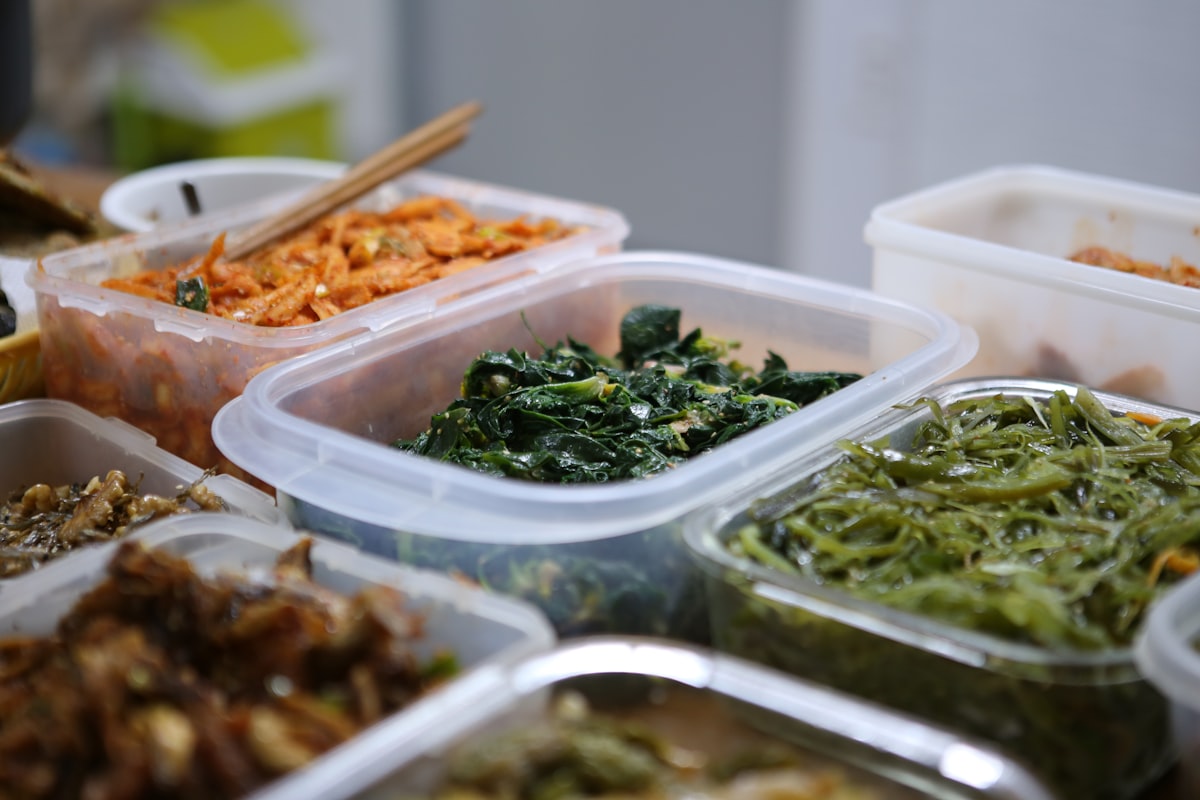
Building a Nutritious Cooking Foundation
A solid foundation in cooking basics creates confidence in the kitchen and enables you to adapt recipes creatively. When you understand fundamental principles—how salt enhances flavors, why resting meat improves texture, how acid balances richness—you can troubleshoot problems and improve recipes instinctively.
Developing kitchen skills also encourages you to cook at home more frequently. The more comfortable you become with cooking, the more likely you are to prepare meals from scratch rather than relying on convenience foods. This shift alone dramatically improves overall nutrition and food quality.
Additionally, cooking is a practical life skill that extends far beyond nutrition. It builds self-sufficiency, reduces food waste when you understand proper storage and ingredient use, and can become a source of genuine enjoyment and creative expression. Many people discover that cooking becomes meditative and stress-relieving once they move past the learning curve.
At Healthyfoodgardenlab, we believe that everyone can develop strong cooking skills with the right guidance and practice. Our articles and resources focus on practical, actionable techniques that work in real home kitchens—not just restaurants or professional settings.
Key Features of Our Content and Resources
Educational Content
Our articles explain the science and theory behind cooking techniques. We don't just tell you how to do something—we explain why it works that way, what happens chemically, and how to recognize when you've done it correctly.
Seasonal and Local Focus
We emphasize cooking with seasonal, locally-available ingredients. This approach supports sustainable food systems, maximizes nutritional density (seasonal produce is most nutrient-rich), and reduces costs. Learning seasonal cooking patterns connects you to food cycles and local farming.
Practical Step-by-Step Guides
Every technique we teach breaks down into clear, manageable steps. Whether you're learning knife skills, sauce-making, or proper vegetable roasting, our guides assume no prior knowledge and build skills progressively.
Whole-Food Approach
We focus exclusively on whole, unprocessed ingredients and cooking from scratch. All our content supports cooking with real food that you can see and understand, avoiding ultraprocessed items and complex ingredient lists.
Adaptable Recipes
Rather than rigid recipes with exact measurements that fail with substitutions, we teach flexible cooking principles. Learn how to adjust flavors, swap ingredients based on what you have, and adapt techniques to whatever ingredients are available.
Nutrition-Centered Approach
Every cooking method, ingredient selection, and preparation technique we recommend is chosen because it maximizes nutritional value. We explain how different cooking methods affect vitamins, minerals, and phytonutrients, so you understand the nutrition impact of your choices.
Common Questions About Kitchen Mastery
The timeline depends on your starting point and how frequently you cook. Most people develop functional comfort with basic skills—knife work, heat control, seasoning—within 2-3 months of regular cooking. However, mastery is continuous; even experienced cooks refine their skills throughout their lives. The key is consistent practice and willingness to learn from mistakes. What matters most is that you improve steadily rather than achieving perfection quickly. Even spending 30 minutes cooking several times per week produces measurable skill development within weeks.
Success Stories from Home Cooks
"I never cooked before—always relied on takeout and prepared foods. After learning basic techniques, I realized I actually enjoy cooking. Now I prepare most meals at home, and my family has noticed we feel better overall. The step-by-step guidance made everything seem achievable rather than intimidating."
Magdalena K., Warsaw
"Understanding why certain cooking methods preserve nutrients changed how I approach meals. I'm not just following recipes anymore—I understand the principles behind them. When I have unexpected ingredients, I can figure out how to use them well. Cooking feels creative rather than stressful."
Jan D., Kraków
"The knife skills article alone changed my kitchen experience. Proper technique made chopping vegetables faster and actually enjoyable instead of frustrating. Once prep became easier, I cooked more frequently. The transition happened gradually but completely transformed my eating habits."
Anna W., Wrocław
Stay Updated with Our Latest Articles
Get new cooking guides and nutrition insights delivered to your inbox. No spam, just practical content.
Explore Our Complete Content Library
Garden Growing Guides
Learn how to cultivate nutrient-rich vegetables year-round with our expert growing techniques and seasonal planting calendars.
Explore GuidesHealthy Recipes
Discover delicious recipes that transform your homegrown produce into nutritious, satisfying meals for your whole family.
View RecipesNutrition Education
Understand the nutritional benefits of organic vegetables and how they support your wellness journey and long-term health.
Learn MoreWhat Our Community Says
"This platform completely transformed how I grow vegetables. The guides are practical, easy to follow, and the results speak for themselves. My family is eating healthier than ever!"
— Sarah M., Home Gardener
"As a busy parent, I needed simple nutrition info and easy recipes. This resource has been a game-changer for our household meal planning and health goals."
— David T., Nutrition Enthusiast
"I've tried many gardening resources, but this one stands out for its scientific approach combined with accessibility. Highly recommend to anyone serious about health."
— Jennifer L., Wellness Coach
Frequently Asked Questions
Do I need previous gardening experience to use your guides?
No! Our guides are designed for beginners and experienced gardeners alike. We provide step-by-step instructions, seasonal timelines, and troubleshooting tips to help you succeed regardless of your experience level.
Can I grow vegetables in an apartment or small space?
Absolutely! We have dedicated resources for container gardening, vertical gardens, and indoor growing setups. Perfect for apartments, balconies, and limited outdoor spaces.
Are your recipes suitable for different dietary preferences?
Yes! Our recipe collection includes vegan, vegetarian, gluten-free, and allergen-friendly options. All recipes are tagged with dietary information to help you find meals that work for your lifestyle.
How often is new content added?
We add new guides, recipes, and nutrition articles weekly. Subscribers receive regular email updates with the latest seasonal tips and content recommendations tailored to their interests.
Is there a community forum to connect with other gardeners?
Yes! Our subscribers have access to an active community forum where you can ask questions, share your growing successes, swap recipes, and connect with like-minded health-conscious gardeners worldwide.
Ready to Start Your Healthy Garden Journey?
Join thousands of people growing their own nutrient-rich food and living healthier lives. Get instant access to our complete library of growing guides, recipes, and nutrition education.
No credit card required. Cancel anytime. Premium features available in paid plans.